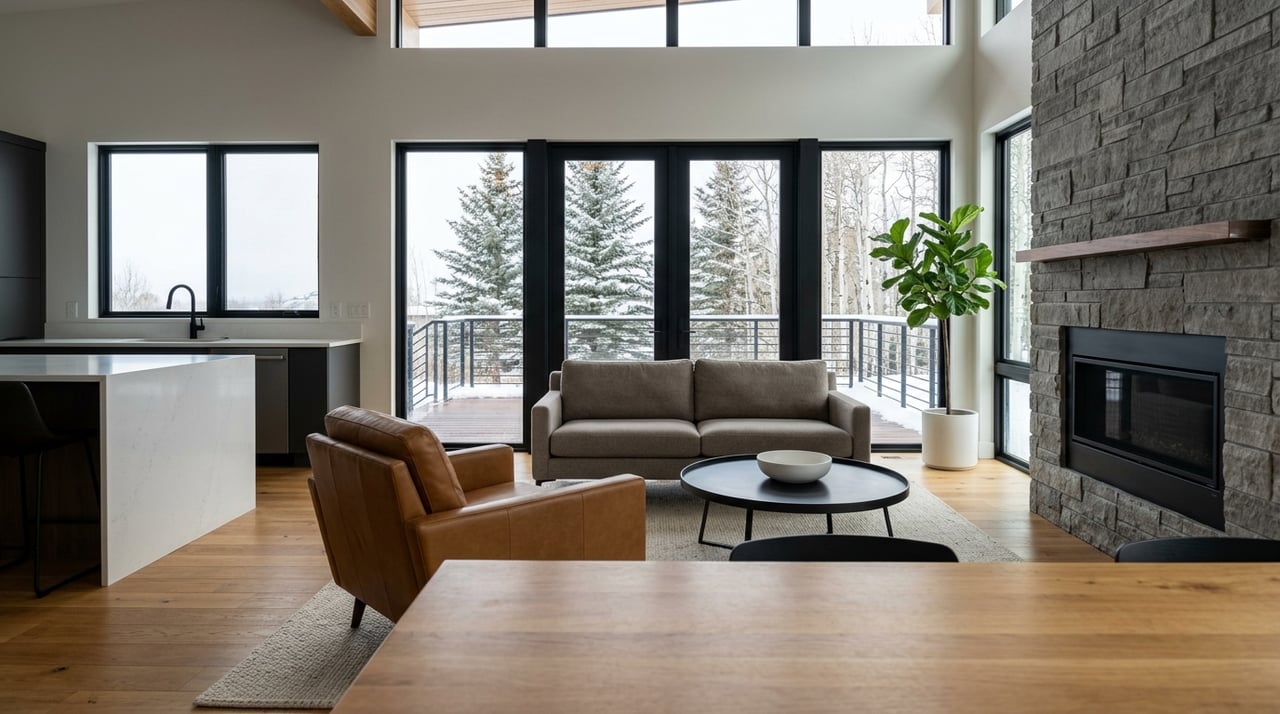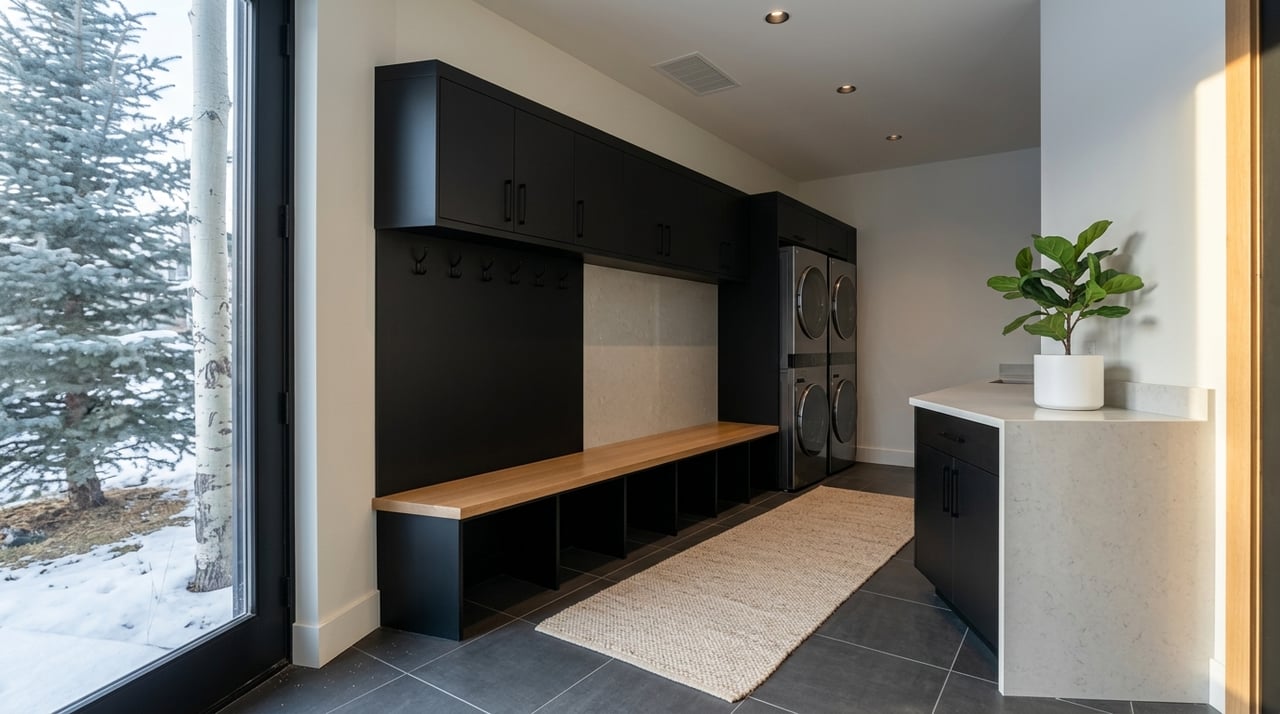
If you own, or hope to own, a home in Deer Valley, property management can shape far more than your booking calendar. It affects whether you can legally rent the home, how smoothly guests arrive, how well the property holds up through winter, and how easy it is for you to enjoy your own time there. If you want a clearer picture of what really matters in this market, this guide will walk you through the rules, costs, and service choices that influence your Deer Valley home experience. Let’s dive in.
Why property management matters in Deer Valley
In Deer Valley, property management is not just about convenience. It sits at the intersection of compliance, hospitality, and long-term property care.
That matters because the local operating demands are real. Depending on where the parcel sits, you may be dealing with Park City rules or unincorporated Summit County rules, and that distinction can affect licensing, timelines, and who must be involved in the rental operation.
If your home will be used as a nightly rental, management starts with a basic question: is the property actually eligible? A Deer Valley address does not automatically mean nightly rentals are allowed, since Park City has adopted subdivision-specific nightly-rental prohibitions in parts of the area.
Start with jurisdiction and rental eligibility
Before you compare management styles or fee proposals, confirm the property’s jurisdiction. Some Deer Valley properties fall within Park City, while others may be in unincorporated Summit County.
That difference changes the licensing path. In Park City, lodging offered for fewer than 30 days requires a nightly rental license, and the unit must be in a zone that allows nightly rentals, pass inspection, and complete the city’s business-license steps.
If the property is in unincorporated Summit County, county licensing rules apply instead. Summit County requires nightly rental licenses for both the owner and the manager, with a listed fee of $350 and a typical approval window of 5 to 10 business days, though it can take up to 30 days.
Park City license basics
For Park City properties, the current nightly rental application lists a fee of $28.74 per bedroom plus a $149 administrative fee. The city says applications generally take 15 to 30 days to approve.
Park City also requires the owner to be the licensee. A local representative can serve as the responsible party, but that person or company must be within a 1-hour drive or have offices in Summit County, be available by phone 24/7, and respond within 20 minutes.
Condos and townhomes need extra attention
This is especially important in Deer Valley, where many homes are condos or townhomes. If a property has shared access or a shared wall, written consent from the other dwelling owner may be required before approval.
That single detail can affect both your purchase decision and your management plan. It is one reason due diligence matters before you assume a home can be rented the way you intend.
What local rules mean for daily operations
Once a home is licensed, the management work does not stop. Park City sets minimum management standards that directly affect the day-to-day experience of both owners and guests.
These standards include snow removal, access to off-street parking, summer yard care, structural maintenance, routine repairs, trash collection, and housekeeping. The city also places limits on commercial use and signage.
Violations tied to noise, occupancy, parking, or sales tax can trigger revocation. In practical terms, that means property management in Deer Valley is not a passive task.
Parking and vendor access can become a real issue
If your property sits in a residential permit zone and staff or vendors need parking access, Park City requires a Residential Business Parking Permit for nightly rentals and property-management work. The current cost is $10 per day or $70 per month.
This may sound like a small line item, but it affects the mechanics of housekeeping, maintenance visits, and turnover coordination. In a high-service mountain market, small logistics can have an outsized impact on the owner and guest experience.
What full-service management looks like
Deer Valley’s own property-management program offers a useful picture of what full-service management can look like in this market. The resort says it manages close to 500 residences across 15 HOAs and more than 40 buildings.
Its current owner tools include account statements, availability calendars, upcoming reservations, and HOA resources. For owners who balance personal use with rental activity, that kind of structure can make planning much easier.
Marketing and revenue management
A strong manager does more than post photos and wait for inquiries. Deer Valley says its program uses professional HDR photography, 360-degree virtual tours, a website listing, social media, programmatic advertising, SEO, and an on-site revenue team that monitors local rates, bookings, competing hotel rates, and special events.
That shows how management can influence income performance. In a resort market, pricing and marketing are part of the service, not an afterthought.
Guest experience and hospitality
Guest service is another major part of the equation. Deer Valley says its program includes daily housekeeping at no extra fee when rental guests are in-house, sanitized linens between stays, customized arrival preparation, household-goods and grocery stocking, concierge assistance, and 24-hour security with nightly patrols.
For a ski destination, those details matter. Smooth arrivals, clean turnovers, and support during weather events can shape reviews, repeat stays, and your property’s reputation.
Property care and maintenance
Property care may be the most underrated part of management. Deer Valley says it provides on-site maintenance checks, on-demand issue response, routine spa service where applicable, and 24/7 access to management support.
That kind of oversight helps reduce the risk of small issues becoming large ones. For second homes that may sit vacant between visits, regular checks and prompt response can protect both condition and peace of mind.
How management affects your owner experience
The right management setup changes how your home feels to own. It can make your time in Deer Valley more relaxed, more predictable, and less operationally heavy.
If you plan to use the home personally, calendar visibility becomes important. Deer Valley’s owner portal model, with statements, calendars, and upcoming reservations, shows how professional systems can help you organize personal stays without constant manual coordination.
For remote owners, this can be especially valuable. Park City’s requirement for a responsible party who can respond 24/7 means self-management is far easier if you live nearby and can truly handle urgent calls, winter weather issues, and guest needs.
Self-management vs professional management
Self-management can work in the right situation. It tends to fit best when you live close enough to meet response expectations and can actively oversee maintenance, parking, housekeeping, repairs, and compliance.
For remote second-home owners, a professional manager is often the lower-risk option. Deer Valley’s operating demands, especially in winter, leave little room for delayed response or loose coordination.
Look beyond the headline fee
Management fees matter, but the advertised percentage is only part of the cost picture. Most vacation-rental managers charge a percentage of rental income, though the structure is not uniform.
Research cited in the report notes that most Airbnb managers charge 15% to 25% of rental income, and full-service resort markets often sit toward the higher end of the range. The three most common structures are percentage of gross revenue, percentage of net revenue, and flat monthly fee per property.
Common fee models
Here is a simple way to think about the main structures:
| Fee model | What it means | Why it matters |
|---|---|---|
| Percentage of gross revenue | Fee is based on total rental revenue | Usually the easiest model to compare |
| Percentage of net revenue | Fee is based on revenue after certain expenses | May align more closely with owner economics, but is more complex |
| Flat monthly fee | Set monthly charge per property | Less common in short-term rentals |
Percentage of gross revenue is the most common model and is usually the simplest to compare. Percentage of net revenue can look attractive, but you need to understand exactly how net revenue is defined.
Extra costs can change the real economics
Beyond the base fee, common add-ons include setup fees, booking fees, maintenance-coordination fees, housekeeping-coordination fees, and re-marketing fees if a property is relisted after a gap. Those charges can materially change what you actually pay.
Deer Valley also says rental revenue split varies by property based on location, HOA-funded operating costs, and service level. Its brochure notes that owners remain responsible for utilities, major maintenance, annual deep cleaning, housewares replacement, appliance maintenance, and annual Park City business-license renewal.
That means your true cost structure may also include permit costs, deep cleans, and ongoing maintenance overhead. If you compare managers only by the headline percentage, you may miss the bigger financial picture.
What to confirm before you buy or hire
In Deer Valley, a careful review upfront can prevent expensive surprises later. This is true whether you are buying a property with rental plans in mind or changing managers for a home you already own.
Before moving forward, confirm these points:
- The property’s exact jurisdiction
- Whether nightly rentals are allowed for that parcel or subdivision
- Any HOA or subdivision restrictions
- Who will serve as the responsible party
- What the management fee includes
- What services are billed separately
- Whether staff and vendor parking access has been solved
- Whether a condo or townhome may require written consent tied to shared access or shared walls
These are not small details. In Deer Valley, they shape legality, service quality, owner convenience, and long-term property condition.
The bigger picture for Deer Valley owners
A well-managed Deer Valley home often feels easier to own and easier to enjoy. The right structure supports compliance, protects the asset, and creates a smoother guest and owner experience across every season.
That is why property management here is best understood as more than a booking service. It is an operating framework that influences how your home performs, how it is maintained, and how much hands-on effort it requires from you.
If you are weighing a Deer Valley purchase or trying to evaluate how a property will function in real life, local detail matters. For tailored guidance on buying with a clear eye on ownership logistics, rental considerations, and long-term value, connect with Melissa Goff.
FAQs
What does property management in Deer Valley include?
- In Deer Valley, property management may include licensing support, snow removal, housekeeping, trash service, routine repairs, maintenance checks, guest coordination, owner calendar tools, and revenue management, depending on the provider and property.
Can every Deer Valley home be used as a nightly rental?
- No. A Deer Valley address does not automatically qualify a property for nightly rentals because zoning, parcel jurisdiction, and subdivision-specific restrictions can limit eligibility.
What are Park City’s nightly rental requirements for Deer Valley properties?
- For Park City properties offered for fewer than 30 days, the owner must obtain a nightly rental license, the property must be in an eligible zone, pass inspection, and have a responsible party available 24/7 who can respond within 20 minutes.
How much do Deer Valley property managers usually charge?
- Fee structures vary, but vacation-rental management commonly uses a percentage of rental income, with research in the report noting many Airbnb managers charge about 15% to 25%, often with additional service or coordination fees.
Is self-management realistic for a Deer Valley second home?
- It can be, but it tends to work best if you live nearby and can personally meet local response, maintenance, parking, and guest-service demands.
What should buyers check before purchasing a Deer Valley home for rental use?
- Buyers should confirm parcel jurisdiction, nightly-rental eligibility, HOA or subdivision restrictions, responsible-party requirements, fee inclusions, separate charges, and any parking or shared-wall approval issues tied to the property.