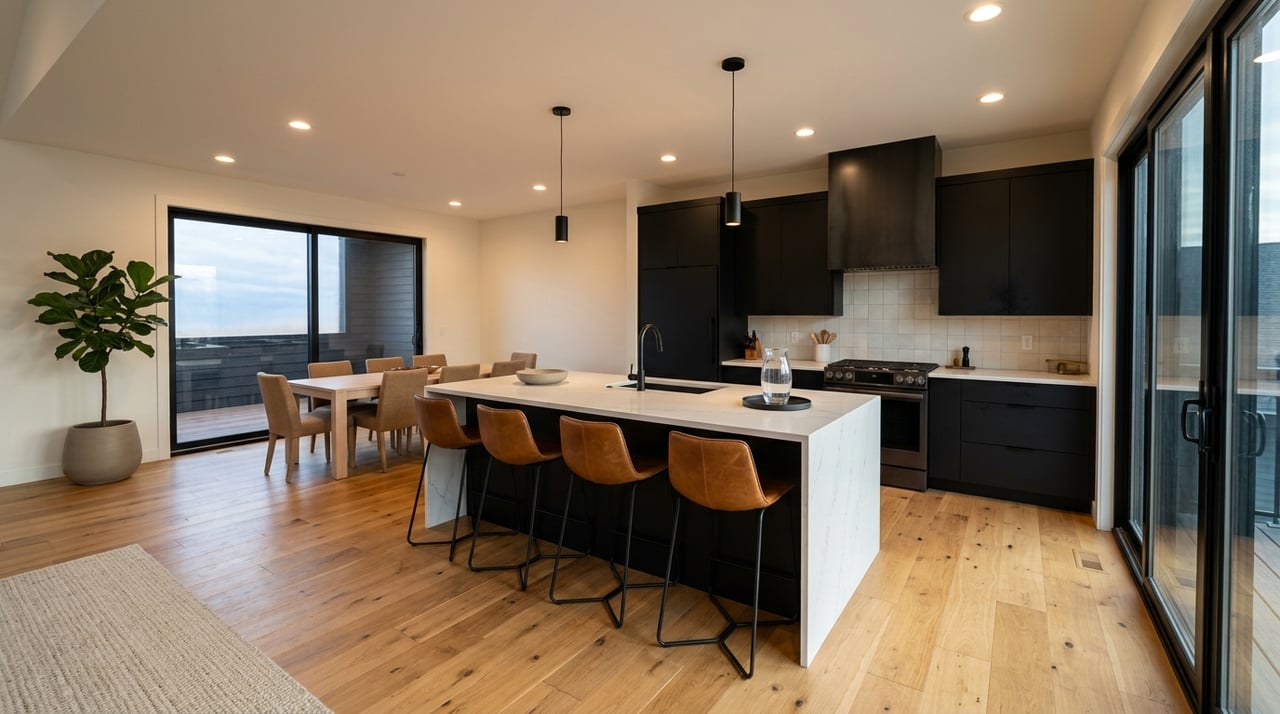
Thinking about buying a Park City property to use as a vacation rental? It can be an exciting opportunity, but it is not as simple as buying in a ski town and listing the home online. In Park City, short-term rental ownership depends on zoning, licensing, taxes, inspections, and private community rules. If you want to make a smart purchase, it helps to understand those layers before you commit. Let’s dive in.
Start With Park City’s Nightly Rental Rules
In Park City, a nightly rental means renting a dwelling unit, or part of one, for less than 30 days to a single person or entity. If you want to offer stays under that 30-day mark, you generally need a Park City nightly rental license, the property must be in a zone that allows the use, and you may also need a Utah state sales tax ID and a DBA registration if applicable, according to the city’s nightly rental regulations.
Timing matters too. Park City says nightly-rental applications typically take 15 to 30 days to approve, and business licenses expire on September 30 each year. That means if you are buying with a near-term income plan in mind, you will want to account for the city’s approval timeline instead of assuming you can start hosting right away.
Zoning Is Parcel Specific
One of the biggest mistakes buyers can make is assuming an area is vacation-rental friendly just because of its name or general reputation. In Park City, nightly-rental eligibility is parcel specific, and the city directs buyers to review the planning and zoning resources, including the zoning map and nightly-rental map.
That means you should verify more than just the neighborhood. You will want to check the actual parcel, the underlying zoning district, any overlays, any conditional-use history, and any private restrictions tied to the property. A home that looks like a great short-term rental candidate may not actually qualify.
Areas Commonly Associated With Rentals
Park City use tables show nightly rental as an allowed use in several districts, including HR-1, HR-2, HRM, HRC, HCB, RD, RC, and GC, based on the city’s zoning code. In practical terms, that often means vacation-rental inventory is more likely to appear in the historic core and resort or commercial-oriented areas rather than across every residential subdivision.
The code references places such as Upper Main Street, Upper Swede Alley, Grant Avenue, Park Avenue, Town Lift, and other resort-oriented districts. Still, those broad location names are not enough for due diligence. You should always confirm the exact parcel before treating a property as rental-ready.
Watch HRL District Rules Closely
Some of Park City’s most important nuance shows up in the HRL district. This district includes the western sub-neighborhood, the McHenry Avenue sub-neighborhood, and the Lower Rossi Hill sub-neighborhood, as described in the HRL district code.
The rules are not the same across all three areas. Nightly rentals are prohibited in the McHenry Avenue sub-neighborhood, while the western sub-neighborhood and Lower Rossi Hill require a conditional-use permit. In the western sub-neighborhood, there are also added review considerations tied to parking, winter access, transit and Main Street access information for guests, and visible property-management contact information.
Lockout Units May Need Extra Review
If you are considering a condo or a property with a lockout configuration, pay special attention to permit requirements. In multiple districts, Park City says the nightly rental of a lockout unit requires a conditional-use permit, as shown in district regulations such as the HR-1 code section.
This matters because a unit may appear to fit the short-term rental market but still face a different approval path than a standard full-unit rental. For buyers comparing condo options, that distinction can affect both timing and feasibility.
HOA Rules Can Override Zoning
Even if city zoning appears to allow nightly rentals, private restrictions may still stop you from operating one. Park City explains that CC&Rs are recorded with the county and enforced by the HOA, not the Building Department, on the city’s HOA information page.
That is why zoning should never be your only checkpoint. You also need to review recorded declarations, association rules, parking policies, rental caps, resort-program terms, and any deed restrictions that apply to the property.
The city’s own nightly-rental application asks whether the property is subject to deed restrictions that prohibit nightly rentals, according to the licensing and inspection guidance. That is a strong reminder that a parcel can look eligible on a city map and still be restricted by private documents.
Inspections Are Part of the Process
Before a nightly rental can be offered for rent, Park City requires an inspection. The city’s current inspection guidance lists common compliance items such as smoke alarms, carbon monoxide detectors, egress windows, guardrails, GFCI protection, fire extinguishers, water-heater and furnace safety items, hot-tub protection, and parking details.
If you are buying an older home, cabin, or condo that has not recently been updated, inspection readiness can become a meaningful part of your budget. In multifamily buildings, common-area items may also come into play, including exit lighting, exit signs, fire extinguishers, sprinkler and riser reports, and fire-alarm testing where applicable.
Local Contact Requirements Matter
Owning from a distance is possible, but Park City has operational standards that make local support important. Under the nightly rental regulations, the owner is the licensee, and the application must identify a property-management company or local contact.
If the local contact is different from the named manager, that person must be able to respond onsite within 60 minutes. The city also requires a responsible party within a 1-hour drive of the property, or a company with offices in Summit County, and that party must be available 24/7 and respond to inquiries within 20 minutes. If material information changes, the license can become void unless it is updated within 10 business days.
Taxes Affect Your Income Planning
When you estimate rental income, taxes need to be part of the math. Park City’s FY2026 budget states that the city levies a 1% municipal transient-room tax, and the Utah State Tax Commission rate table referenced by the city lists Park City location 22-030 at 14.62% for transient-room transactions and 9.55% for combined sales and use tax as of April 1, 2026.
The Utah Tax Commission also says that lodging stays of 30 consecutive days or longer are exempt from sales tax and transient room tax. That makes the stay length especially important if you are weighing a short-term rental strategy against a longer-term rental approach.
The city also notes in its inspection and licensing guidance that platforms such as Airbnb or VRBO may report taxes on the owner’s behalf in some cases. Even so, you should confirm how your specific setup is handled before you count on a fully hands-off process.
Parking and Snow Removal Are Not Small Details
In a mountain market, practical operations can make or break the guest experience. Park City’s inspection guide says parking spaces must be at least 9 by 18 feet, and the city code states that on-street parking for nightly rentals cannot obstruct traffic, pedestrian circulation, or public safety, based on the inspection guide.
The code also requires off-street snow removal so parking remains available for occupants. More broadly, management standards address snow removal, trash handling, upkeep, and noise control. If a property has tight parking, steep winter access, or limited snow-storage space, those issues deserve careful review before you buy.
WUI Rules Can Add Upgrade Costs
For some properties, especially mountain homes and homes near open space, wildfire-related standards can affect future improvement plans. Park City says its Wildland Urban Interface code applies to all new construction and additions, plus remodels valued above $50,000, and that review happens during the building-permit process.
This does not mean every vacation rental buyer will face immediate WUI work. It does mean that if you plan to remodel, expand, or significantly improve a mountain property, those code requirements may become part of your cost and timeline.
A Smart Buyer Due Diligence Checklist
If you are serious about vacation rental ownership in Park City, your due diligence should go beyond the usual purchase checklist. Before you move forward, focus on questions like these:
- Is the specific parcel in a zone that allows nightly rental?
- Does the property need a conditional-use permit?
- Do the CC&Rs, deed restrictions, or HOA rules limit or prohibit short-term rentals?
- Is there enough legal parking and practical snow storage?
- Can you meet the city’s local contact and response requirements?
- Will the property need life-safety updates before it can pass inspection?
- Are there historic-district or WUI factors that could affect future upgrades?
- Are you planning stays under 30 days or considering a different rental model?
These are the questions that help you separate a property that merely looks appealing from one that is actually workable as a vacation rental.
Why Careful Guidance Matters
Park City can be a rewarding market for vacation rental ownership, but it rewards careful planning, not assumptions. The right property is not just about views, proximity, or buyer appeal. It is about whether the parcel is eligible, whether the private documents align, and whether the operational demands fit your goals.
If you want a discreet, detail-oriented approach to evaluating a complex purchase, Melissa Goff offers the kind of thoughtful guidance that helps you move forward with clarity and confidence.
FAQs
What does Park City consider a nightly rental?
- Park City defines a nightly rental as the rental of a dwelling unit, or part of one, for less than 30 days to a single person or entity.
Does every Park City property allow short-term rentals?
- No. Park City says nightly-rental eligibility is parcel specific, so you need to verify the exact parcel, zoning, and any permit history before assuming a property can be rented short term.
Can an HOA stop short-term rentals in Park City?
- Yes. Even if zoning appears to allow nightly rentals, CC&Rs, deed restrictions, rental caps, and HOA rules may still prohibit or limit them.
Do Park City vacation rentals need an inspection?
- Yes. Park City requires an inspection before a nightly rental can be offered for rent, and the city reviews life-safety and operational items such as alarms, egress, fire extinguishers, and parking details.
Does a Park City lockout unit need special approval for nightly rental use?
- In multiple districts, yes. The city code says nightly rental of a lockout unit often requires a conditional-use permit.
What taxes apply to short-term rentals in Park City?
- According to the city and Utah tax guidance cited above, transient-room transactions in Park City are subject to applicable sales tax and transient room tax, with the listed Park City rate at 14.62% as of April 1, 2026.
What local contact rules apply to a Park City nightly rental?
- Park City requires a property-management company or local contact, plus a responsible party within a 1-hour drive or a company with offices in Summit County that is available 24/7 and can respond to inquiries within 20 minutes.
Do stays of 30 days or more get taxed the same way in Park City?
- No. The Utah Tax Commission says lodging stays of 30 consecutive days or longer are exempt from sales tax and transient room tax.